

Healthcare Delivery
Available Services at Vocal Swasthya Kendra
GENERAL OPD
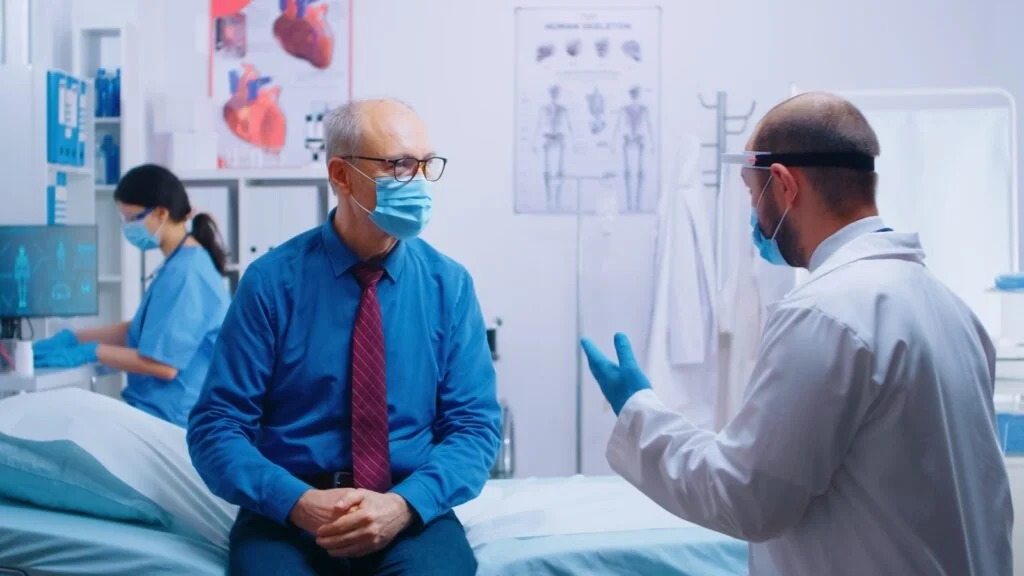
The Vocal Health and Research Association (VHRA) is dedicated to giving India’s rural communities access to full-service general hospitals. Many strategies for delivering health services to rural areas have been identified by VHRA. This entails establishing general hospital facilities in rural regions, training regional medical personnel, and creating specialty clinics. Through the planning of health campaigns, the association also educates and raises locals’ awareness of health issues like nutrition and hygiene. These OPDs are intended to offer basic medical care to the rural population in an effort to further fortify the health care system in these areas.
DENTAL CARE
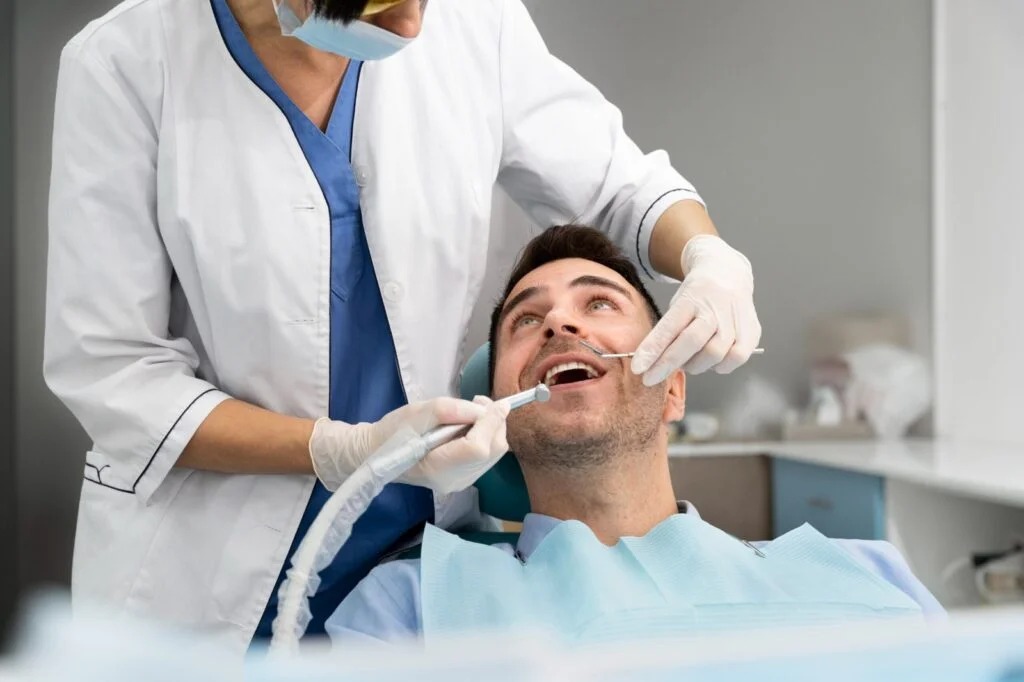
Initiatives for Dental Care VHRA’s dedication to offering rural communities
high-quality healthcare includes dental care as a fundamental component. VHRA
actively expands access to necessary dental services by establishing dental
Outpatient Departments (OPDs) in rural areas. This initiative raises the bar for
oral health among rural residents.
Additionally, this program tackles the pervasive issue of rural areas’ limited
access to dental care. Since many people cannot afford private dental care,
VHRA’s programs offer reasonably priced substitutes. VHRA guarantees that more
people receive prompt and efficient dental care by delivering dental care
directly to communities.

PHARMACIST
VHRA acknowledges the critical role that pharmacists play in providing rural communities with comprehensive healthcare. Consequently, VHRA will hire pharmacists to help with the proper dispensing of prescription drugs as well as to provide advice on how to use and store them. Additionally, these pharmacists will be available to answer any questions patients may have about their prescription drugs. To guarantee that patients receive the recommended dosages, they will also work in tandem with nurses. The goal of VHRA’s integration of pharmacists into its healthcare framework is to offer comprehensive healthcare services to rural residents.
EYE CARE
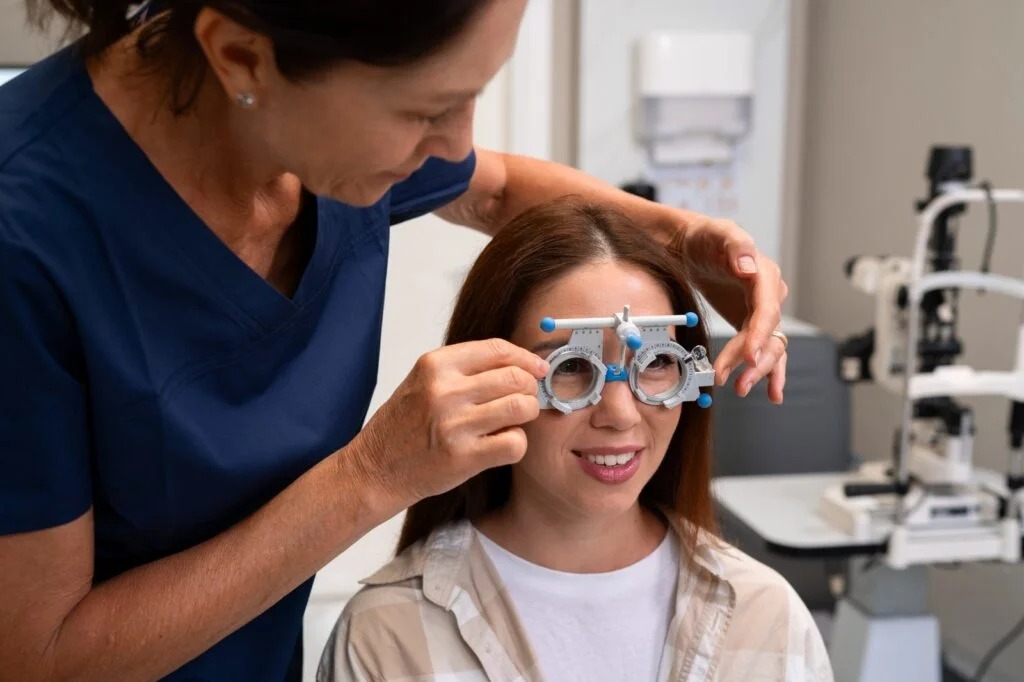
In each of the rural areas, VHRA will also hire and train an eye technician. Basic machine handling training for vision exams that don’t require special education is the aim. Therefore, the goal is once more to provide a workforce. In addition to diagnosing and treating common eye diseases and vision issues, the eye technician will be in charge of providing the rural population with essential eye care services. Additionally, the eye technician will receive training on how to refer patients for specialized eye care services like prescription glasses or ophthalmological surgery. Additionally, the rural population will be educated by eye technicians.

SAMPLE COLLECTION CENTRE
In order to guarantee early diagnosis and prevention of acute or chronic diseases, VHRA also intends to establish a sample collection center in Vocal Swasthya Kendra. The testing of different medical samples, including blood, urine, and other body fluids, will be made easier by this sample collection facility. The rural population will greatly benefit from this center since it will allow them to obtain medical testing without having to travel to far-off medical facilities. Rural communities will benefit greatly from the sample collection center, which will enable them to access diagnostic tests and preventive measures that can help identify and avert health problems early on.

ONLINE CONSULTANCY
The Vocal Health and Research Association (VHRA) is proactively starting a mission to provide rural communities with online medical consultations. Through a single platform, this all-inclusive project will offer patients a comprehensive solution that includes test facilities, doctor consultations, and prescription medication. The main objective of VHRA is to support the “Digital India” movement by leading the way in digital medical services, reducing medical costs and improving healthcare accessibility, with a focus on meeting the needs of women in underprivileged rural areas.
GYNECOLOGIST AND LAB FACILITIES OPD
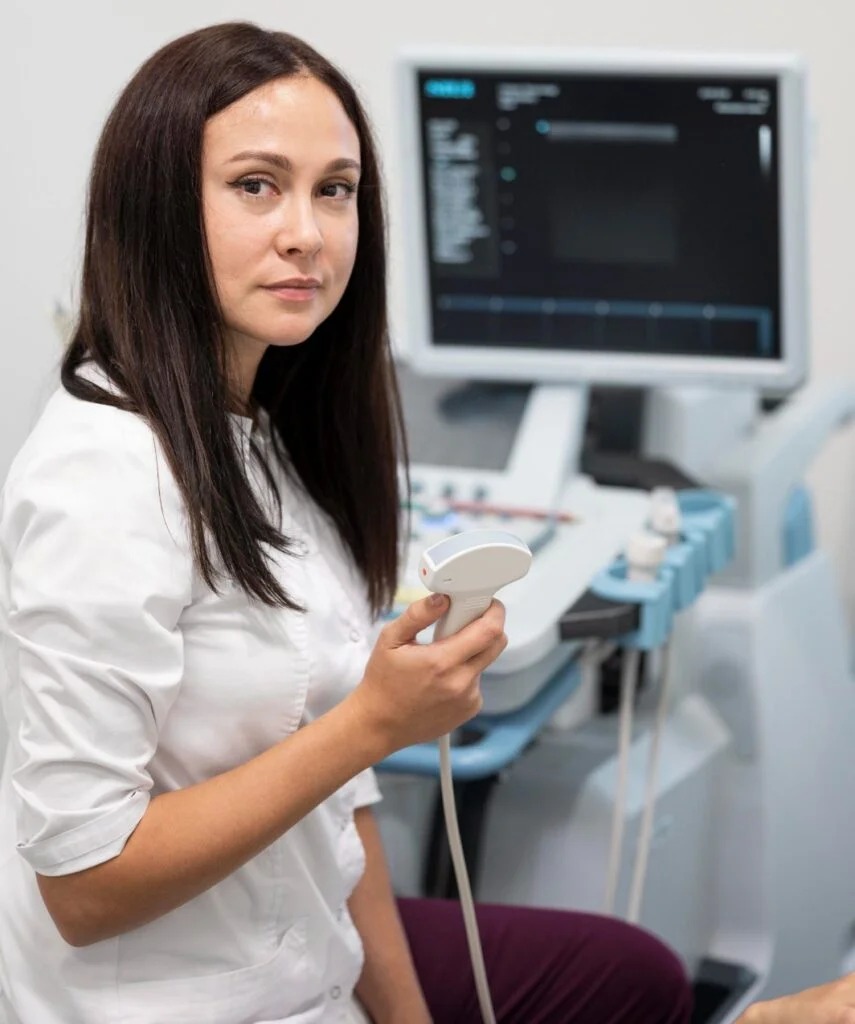
VHRA is still committed to making sure that every five-center group has a gynecologist and lab space. The goal of this proactive approach is to make it easier for women to access essential healthcare services. Patients who have easy access to these resources will benefit from quick and easy diagnosis and treatment for any women’s health concerns. This strategy makes sure that women’s welfare is effectively promoted and their well-being is given top priority.
HEALTH CAMPS
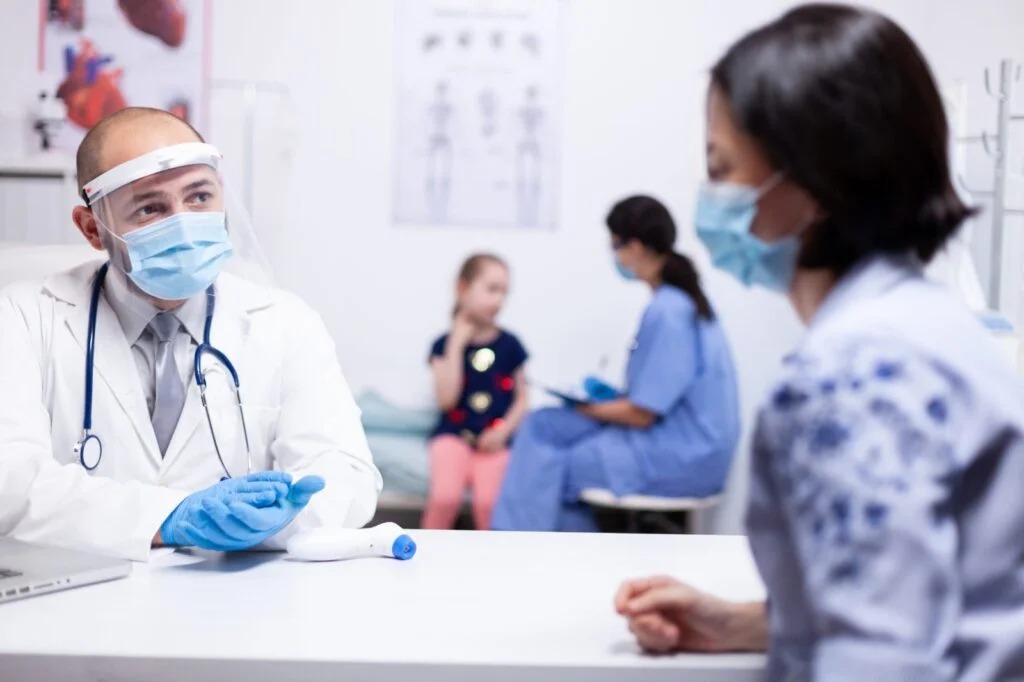
VHRA is determined to organize free health camps in rural areas because it understands how important these programs are to saving lives. These camps are intended to provide underprivileged communities living in both rural and urban areas with free medical and surgical care. Under the direction of a dedicated mobile team from Vocal Swasthya Kendra, who are armed with a variety of medical specialties, these camps seek to achieve their main goal of providing initial care to patients with life-threatening illnesses. Such initiatives highlight the special strength of our deep dedication to medical ethics.
RESEARCH
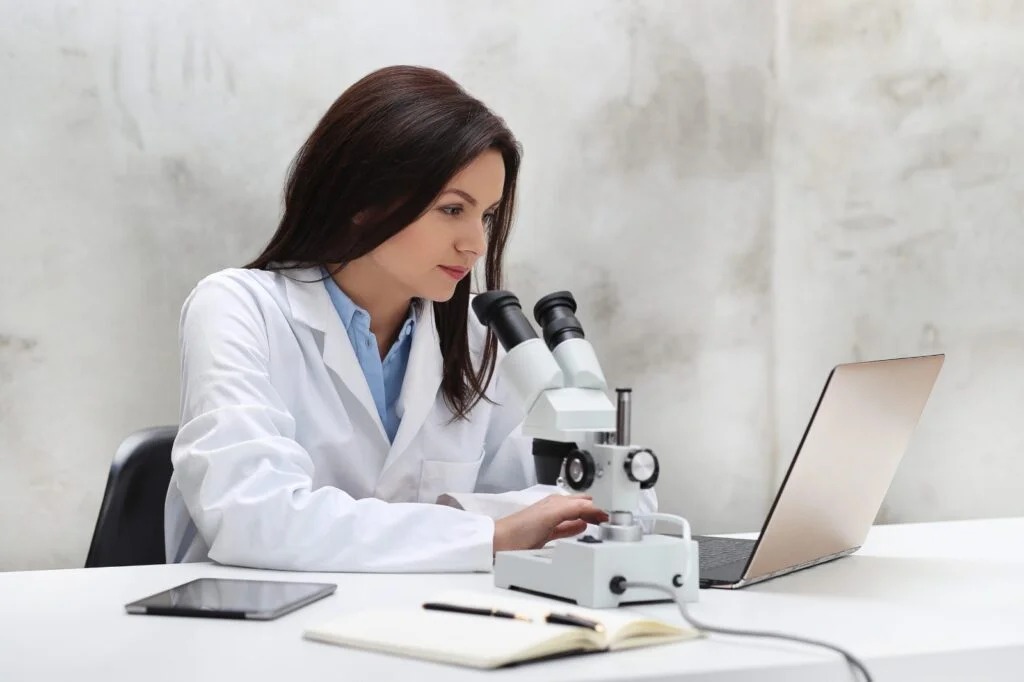
In order to collect data from Vocal Swasthya Kendra, VHRA is starting a research project. Important new information about disease trends, risk factors, treatment outcomes, and the efficacy of public health initiatives could be obtained from this endeavor. The study will also provide insight into functional abilities, care patterns, and the utilization and costs of healthcare. The program seeks to provide complementary insights that enhance our comprehension of healthcare dynamics and support well-informed public health decision-making by utilizing a variety of research methodologies, including quantitative and qualitative approaches.

FREE SANITARY PADS
Offering free sanitary pads to women and girls in rural areas is an important project with broad ramifications. Maintaining appropriate menstrual hygiene requires having access to sanitary pads. Without this access, women and girls frequently turn to unsanitary alternatives like leaves or rags, which can seriously harm their health. Sanitary pads must be made readily available in order to protect the health and dignity of women and girls in rural areas, as this improvised solution raises the risk of infections and other health issues.
ONLINE EMERGENCY MEDICAL ASSISTANCE
Medical NGOs that offer online emergency medical assistance use technology to provide quick and remote medical assistance. These organizations provide emergency response coordination, medical advice, and real-time consultations via virtual platforms. Instant access to medical knowledge is made possible by this online method, particularly in circumstances where physical presence might be difficult. Online support increases the availability and effectiveness of emergency medical services, saving lives and enhancing results, whether in remote areas, crisis situations, or worldwide health emergencies.

NURSING STAFF
To maintain the quality of healthcare services, VHRA is dedicated to placing professional nursing staff at general healthcare facilities in addition to its other initiatives. These knowledgeable experts will be essential in helping physicians diagnose and treat illnesses. Additionally, they will actively participate in providing patients with general health education, equipping them with important knowledge for preserving their health. VHRA’s commitment to guaranteeing thorough and superior healthcare delivery in general healthcare facilities is demonstrated by this strategic use of nursing staff.

MATERNAL AND CHILD HEALTH SERVICES
The goal of maternal and child health services provided by medical non-governmental organizations (NGOs) is to guarantee mothers’ and children’s health by means of all-encompassing healthcare programs. The promotion of maternal and child health, safe delivery methods, and prenatal and postnatal care are all included in these services. In order to improve the health outcomes of mothers and children, medical NGOs are vital in providing necessary healthcare interventions, such as immunizations, nutrition programs, and education. By providing access to quality healthcare, these organizations contribute significantly to reducing maternal and child mortality rates.

MENTAL HEALTH SERVICES
Medical NGOs are essential pillars in the field of mental health services, providing critical assistance through awareness-raising, counseling, and stigma reduction. Their diverse approach plays a key role in addressing communities’ psychological well-being by successfully incorporating mental health into broader healthcare plans meant to promote holistic well-being. Through their combined efforts, these organizations are essential in making sure that people get the help and tools they need to deal with mental health issues, which eventually fosters community resilience and general wellness.
HEALTH INFRASTRUCTURE DEVELOPMENT
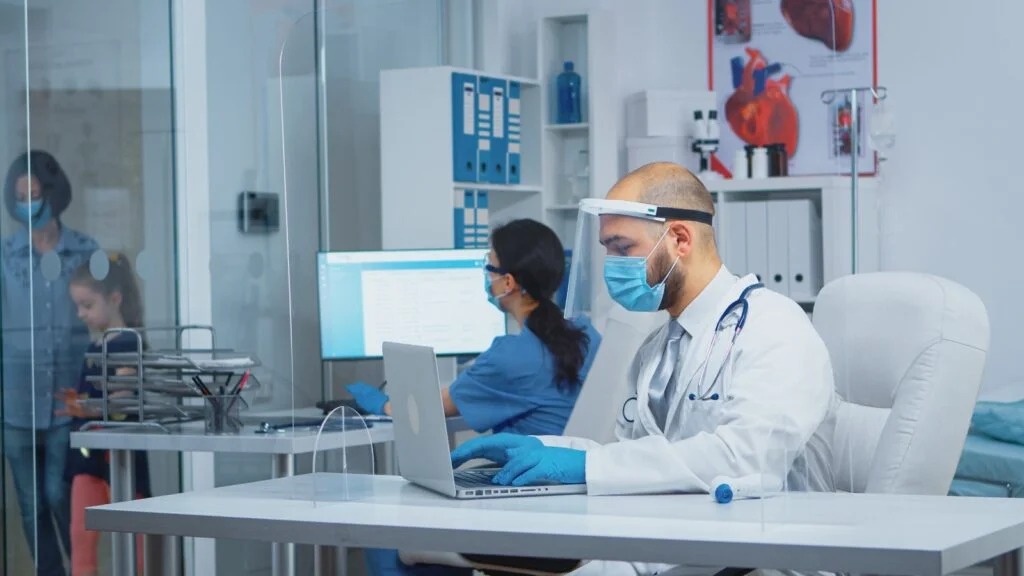
One of the main goals of medical NGOs is health infrastructure development, which includes building and improving essential healthcare facilities like clinics and hospitals. Through their work, these groups contribute significantly to the development and strengthening of the healthcare system, guaranteeing that communities have access to the resources they need to receive high-quality healthcare. Medical NGOs aim to improve general health outcomes and create a healthier future for the communities they serve by funding the construction of strong healthcare infrastructure.
RURAL COMMUNITY DEVELOPMENT
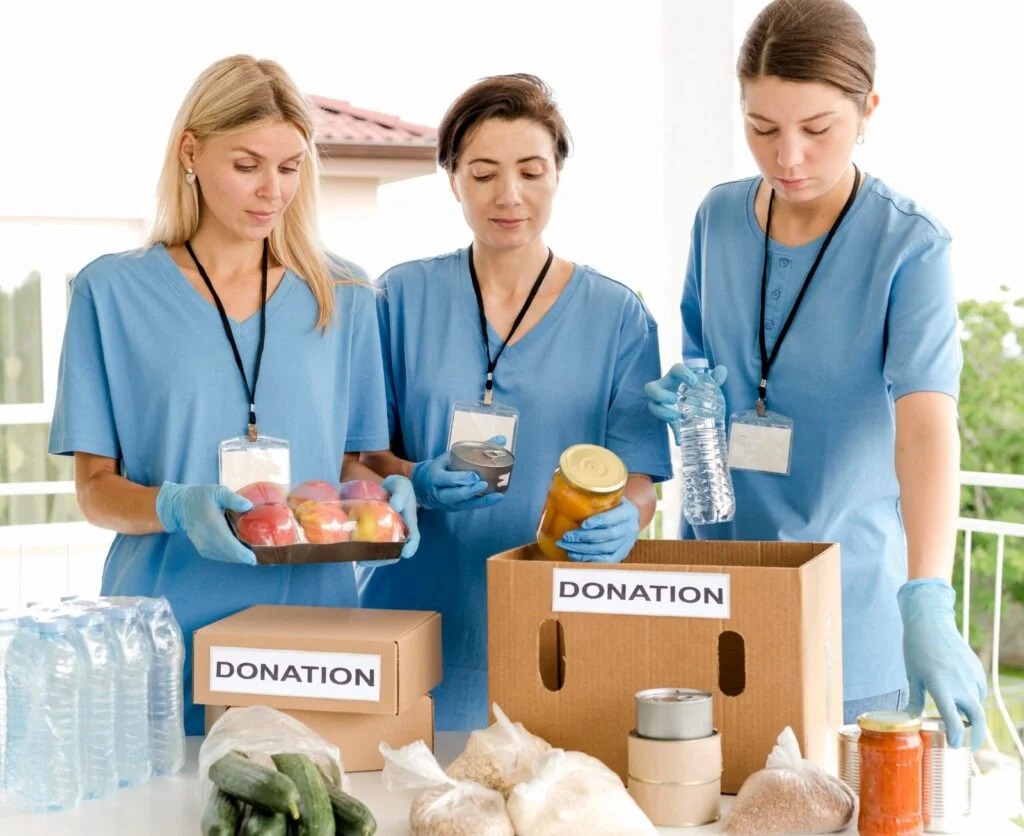
By carrying out a variety of healthcare initiatives, infrastructure projects, and educational programs, medical NGOs play a critical role in improving underserved areas in the field of rural community development. Their main goal is to address healthcare inequalities and advance sustainable development in order to enhance the general well-being of rural communities. Medical NGOs work together to enhance infrastructure, offer educational opportunities, and give locals access to necessary healthcare services. They seek to bring about positive change by emphasizing holistic development.
RURAL HEALTH EDUCATION
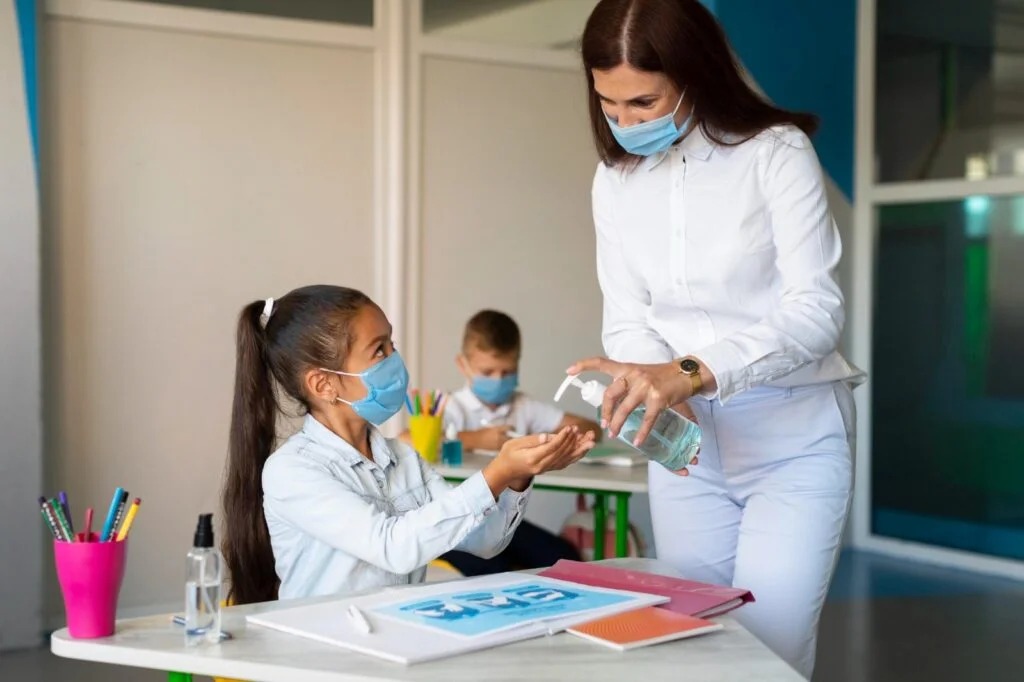
In rural health education, medical NGOs are essential because they lead focused initiatives to spread vital health information and increase awareness in underprivileged communities. These programs are carefully planned to provide essential information on nutrition, hygiene, and illness prevention as well as to encourage preventive healthcare practices. These NGOs play an important role in improving healthcare outcomes and well-being in remote areas by providing thorough health education to rural communities. By being proactive, they create a culture of health consciousness and give people the information and resources they need to live healthier lives, which eventually leads to success.
DISEASE PREVENTION AND CONTROL
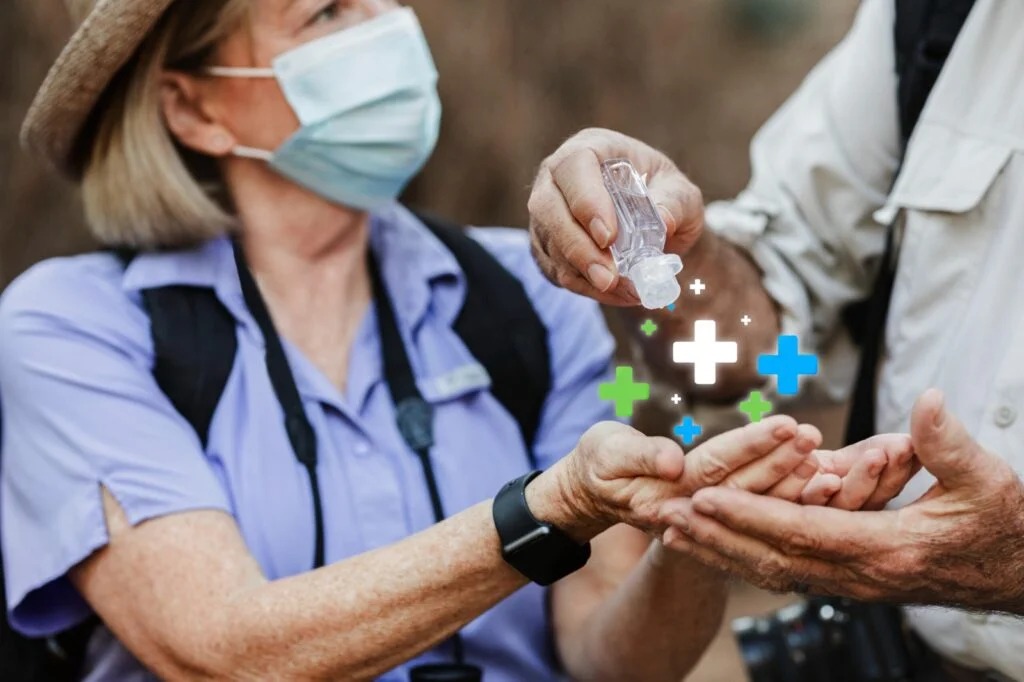
By organizing large-scale awareness campaigns about infectious diseases and promoting preventive measures, VHRA takes the lead in disease prevention and control. But VHRA’s work goes beyond just spreading awareness; it also actively carries out focused initiatives to prevent and eradicate particular illnesses like TB, HIV/AIDS, and malaria. By means of these proactive measures, VHRA contributes to the global fight against infectious diseases and promotes healthier communities globally, greatly improving public health outcomes on a global scale.